How Long Do Hot Water Systems Last?
There's rarely a good time for a hot water system to fail. It usually happens on a cold morning, right before work, or halfway through washing dishes for a dinner party. Understanding how long do hot water systems last can help you avoid that surprise altogether, and plan a replacement before it becomes an emergency. The answer depends on the type of system you have, how well it's been maintained, and a few factors most homeowners never think about until something goes wrong.
Typical Lifespan of Electric, Gas, and Solar Hot Water Systems
Every hot water system has a rough use-by date, though the exact number varies by type and brand. Knowing where your system sits on this timeline is a useful starting point.
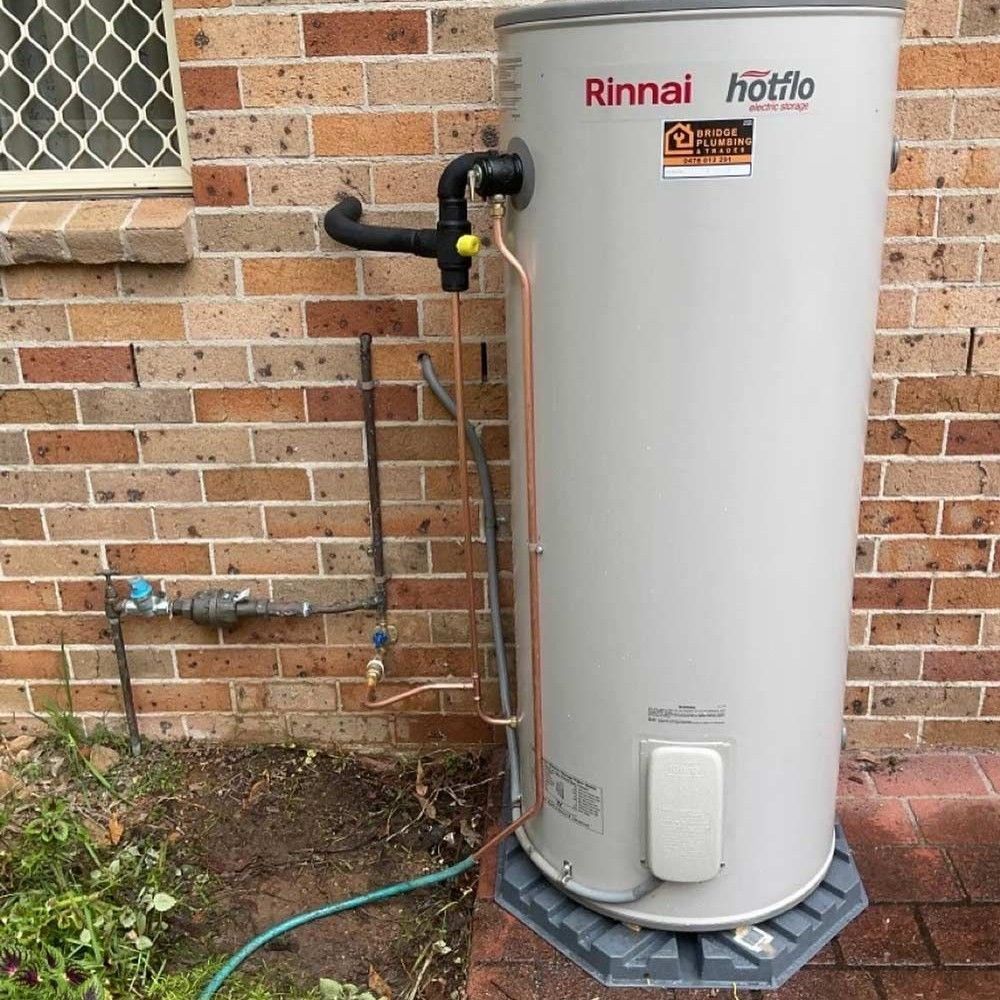
- Electric storage systems generally last between 10 and 15 years, depending on water quality and tank maintenance.
- Gas storage systems tend to have a slightly shorter lifespan, often around 8 to 12 years, due to the additional wear from the burner assembly.
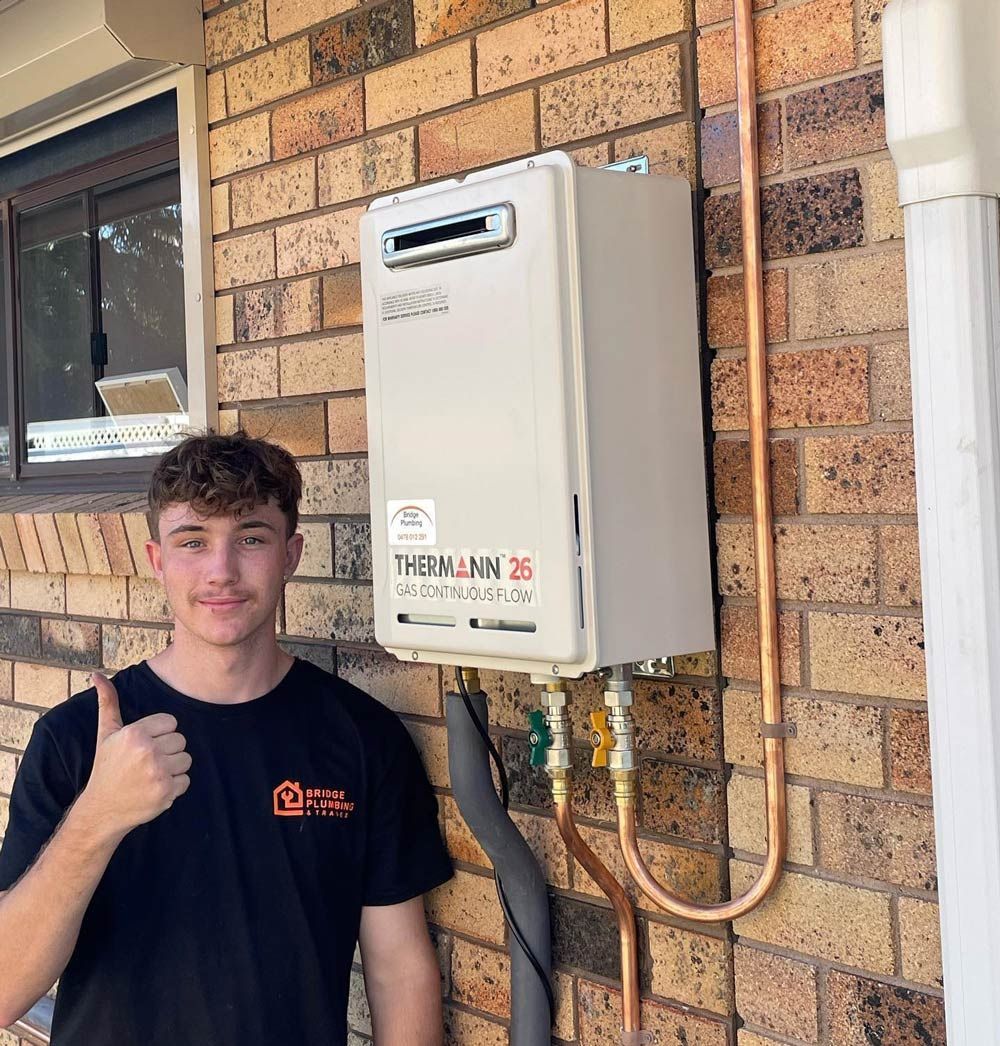
- Continuous flow (instantaneous) gas systems can last 15 to 20 years when serviced regularly, as they don't store water and face less internal corrosion.
- Solar hot water systems, particularly the tanks and panels, can last 15 to 20 years, though components like pumps and controllers may need replacement sooner.
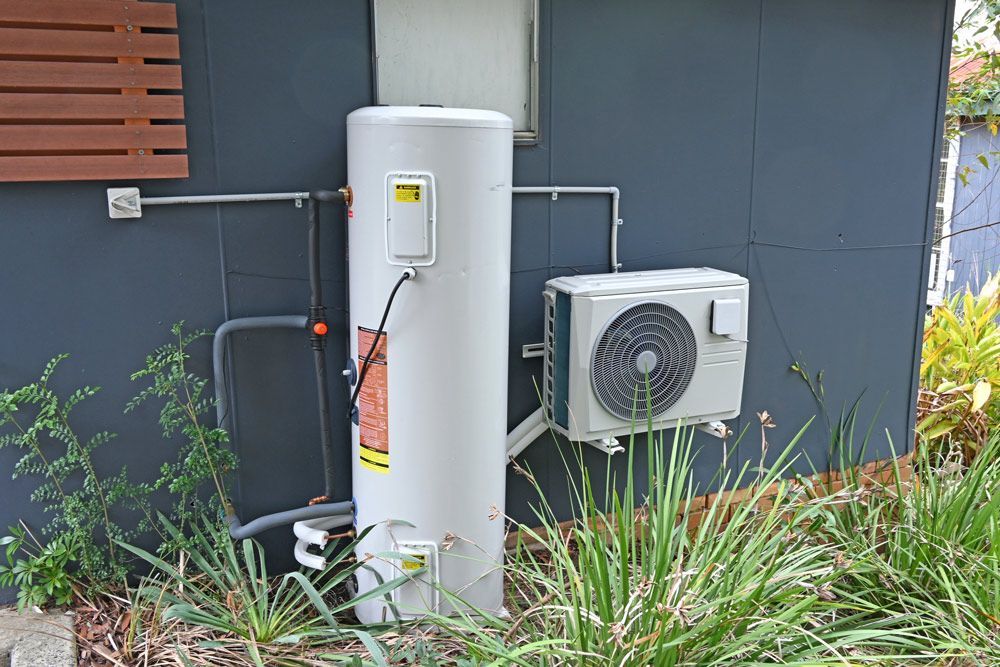
- Heat pump systems typically last 10 to 15 years, similar to standard electric units, though performance can decline gradually before full failure.
These figures are general guides rather than guarantees. A well-maintained system can outlast its expected range, while a neglected one can fail years early.
What Affects How Long Your Hot Water System Lasts
Manufacturers publish average lifespans, but real-world conditions often shift those numbers. Several everyday factors quietly influence a system's working life.
- Water quality plays a significant role. Hard water with high mineral content accelerates sediment build-up inside storage tanks, which can corrode the tank walls and reduce efficiency.
- Installation quality matters. A system installed correctly, with proper pressure settings and appropriate pipework, faces less strain over time than one installed incorrectly.
- Usage patterns affect wear. A household of six will put more demand on a system than a couple living alone, shortening its practical lifespan even if the manufacturer's rating stays the same.
- Location and climate contribute too. Systems installed outdoors in coastal areas, such as around Nowra, can experience faster corrosion due to salt air exposure.
- Regular servicing extends life. Anode rods, temperature settings, and pressure relief valves all need periodic checks to keep a system running as intended.
If you're unsure why your system seems to be underperforming, it may help to read about
why your hot water isn't working, which covers some of the more common culprits behind reduced performance.
Warning Signs Your Hot Water System Is Nearing the End of Its Life
Hot water systems rarely fail without any warning. Most give off signals in the months leading up to a breakdown, and recognising these early can prevent a complete loss of hot water at an inconvenient time.
- Discoloured or rusty water coming from the hot tap, which often points to internal tank corrosion.
- Unusual noises such as rumbling, popping, or banging from the tank, usually caused by sediment build-up hardening at the base.
- Water pooling around the base of the unit, which can indicate a slow leak from a cracked tank or failed fitting.
- Inconsistent water temperature, where hot water runs out faster than it used to or fluctuates without explanation.
- A noticeable increase in energy bills without a corresponding change in usage, suggesting the system is working harder to heat the same volume of water.
These signs when to replace hot water system don't always mean immediate failure, but they're worth acting on. Left unaddressed, minor issues can turn into a burst tank or a total system shutdown.
Should You Repair or Replace an Ageing System?
This is often the hardest decision for homeowners to make, particularly when a system is still technically working but showing its age. A few practical questions can help guide the decision.
- How old is the system? If it's within a few years of its expected lifespan, a costly repair may not be worthwhile.
- What's the nature of the fault? Minor issues like a faulty thermostat or valve are usually straightforward and inexpensive to fix. Tank corrosion or structural damage, on the other hand, generally isn't repairable.
- How much would the repair cost compared to a new system? If a repair costs more than half the price of a new unit, replacement is often the more sensible option.
- Has the system had recurring problems? Repeated call-outs for the same unit can be a sign that replacement will save money in the long run.
- Are there efficiency gains available? Newer systems, particularly heat pump and continuous flow models, often use less energy than older storage units, which can offset the upfront cost over time.
There's no single rule that applies to every household, which is why an on-site assessment is usually more reliable than guessing based on age alone.
Getting the Right Advice Before You Decide
Choosing between a repair and a full replacement isn't something that needs to be worked out alone. A licensed plumber can inspect the tank, check the anode and heating element condition, test water pressure, and give a clear recommendation based on what's actually happening inside the unit, not just its age on paper.
- A professional inspection can confirm whether corrosion, sediment, or a faulty component is the root cause of a problem.
- Getting advice before a full failure means you can plan the replacement on your own schedule, rather than during an emergency.
- A plumber can also advise on system sizing, since a unit that's too small or too large for a household's needs will wear out faster or run inefficiently.
- If replacement is the right path, a plumber can talk through your options for a hot water system in Nowra.
Getting this advice early tends to save money and stress compared to waiting until the system fails completely.
We're Here to Help
We at Bridge Plumbing & Trades understand that hot water problems rarely arrive at a convenient time, and that deciding between a repair and a replacement isn't always straightforward. Our team services homes throughout Nowra and the surrounding Shoalhaven area, offering inspections, repairs, and full system replacements across electric, gas, solar and heat pump units.
If your hot water system is ageing, showing warning signs, or you'd simply like an honest assessment of its condition, get in touch with our team.
We also offer a broader range of
plumbing services in Nowra, from clearing blocked drains to bathroom renovations. If you'd like a clear picture of your options and costs, you can
request a free quote and we'll take it from there.
Frequently Asked Questions