Pipe Relining vs Pipe Replacement: Which Is Right for You?
Pipe relining vs replacement comes down to the condition of the damaged pipe, how accessible it is and whether its structure can support a lasting repair. Relining can restore suitable sewer and stormwater pipes without extensive excavation, while full replacement is often necessary when a pipe has collapsed, shifted significantly or deteriorated beyond repair.
For homeowners and landlords in Nowra and across the South Coast, the right choice isn't always the least expensive upfront option. It's the repair that addresses the underlying damage without creating unnecessary disruption or future problems.
What Is Pipe Relining?
Pipe relining is a method of repairing damaged drainage pipes from the inside, reducing the need to excavate and remove the existing pipe. It is commonly considered for sewer and stormwater lines affected by cracks, leaks or tree root intrusion, provided the existing pipe remains suitable for the process. Rather than digging along the entire pipe, a plumber accesses the drainage system through suitable entry points and repairs the damaged section internally.
How Does Pipe Relining Work?
The exact process depends on the pipe's condition and the repair method required, but it generally involves:
- Inspecting the drain using a CCTV camera to identify the damage
- Clearing blockages, roots or debris where necessary
- Assessing whether the pipe can support an internal repair
- Completing the relining work through suitable access points
- Checking the repaired section to confirm the result
Bridge Plumbing & Trades provides pipe relining, CCTV drain camera inspections, high-pressure jetting and tree root removal.
What Are the Benefits of Relining?
The main advantage is reduced excavation. For a damaged pipe running beneath a driveway, landscaped garden or paved area, avoiding unnecessary digging can make a significant difference.
Relining may also reduce the amount of surface restoration required after repairs. However, it isn't suitable for every damaged drain. The existing pipe must be assessed before a plumber can recommend this option.
How Traditional Pipe Replacement Works
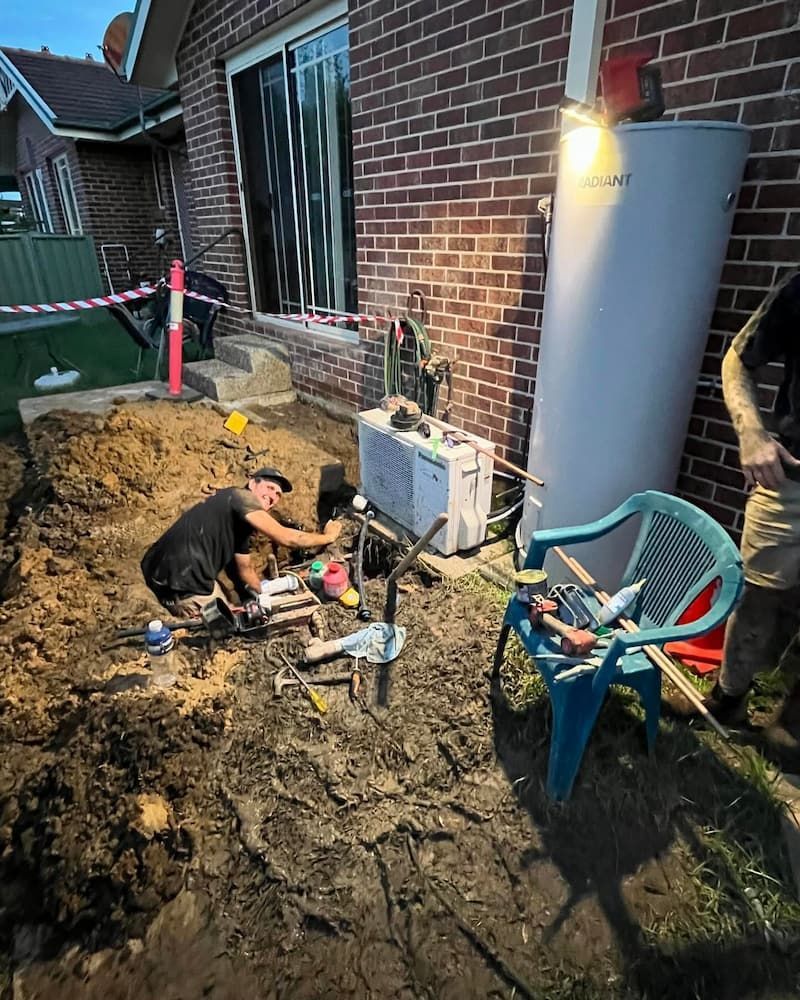
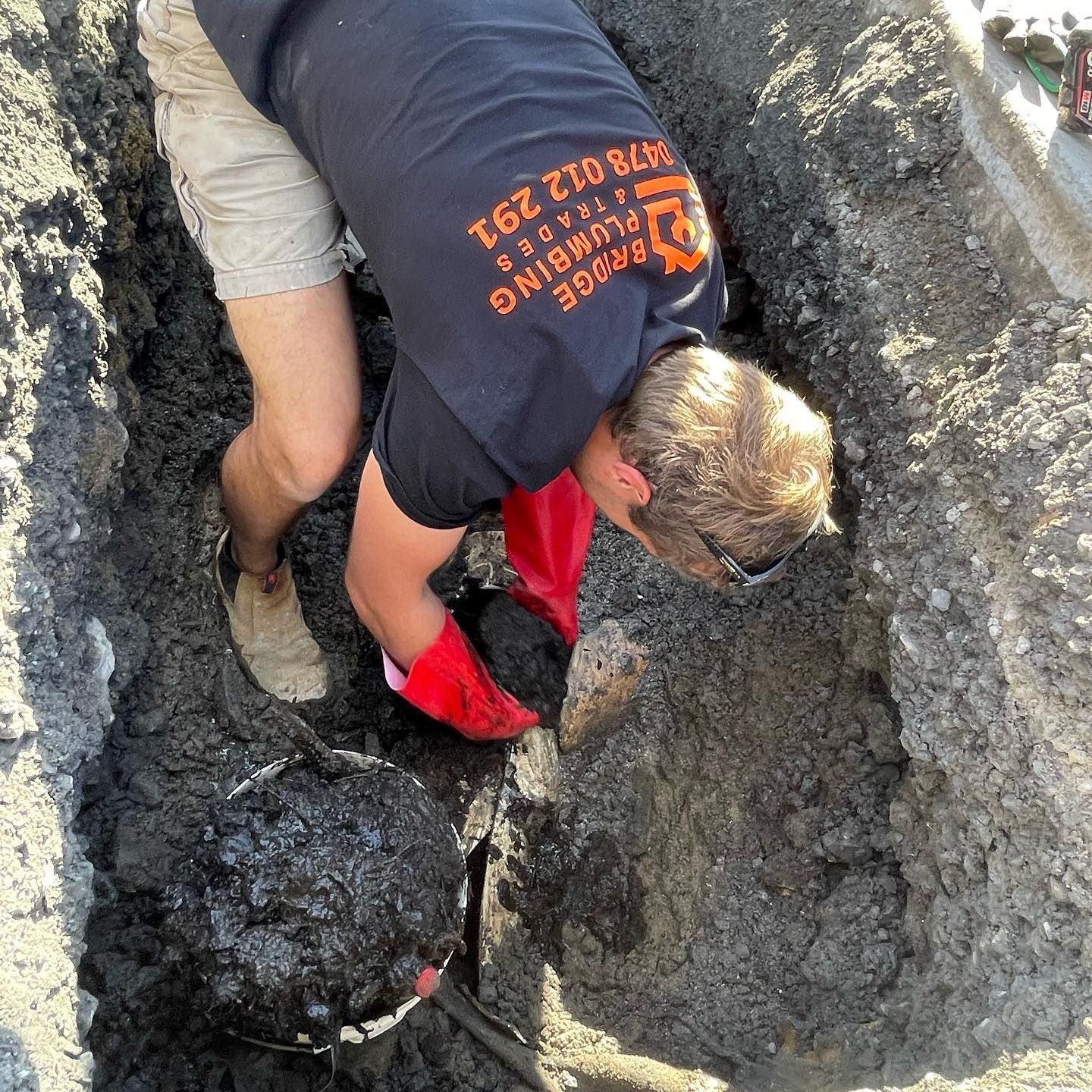
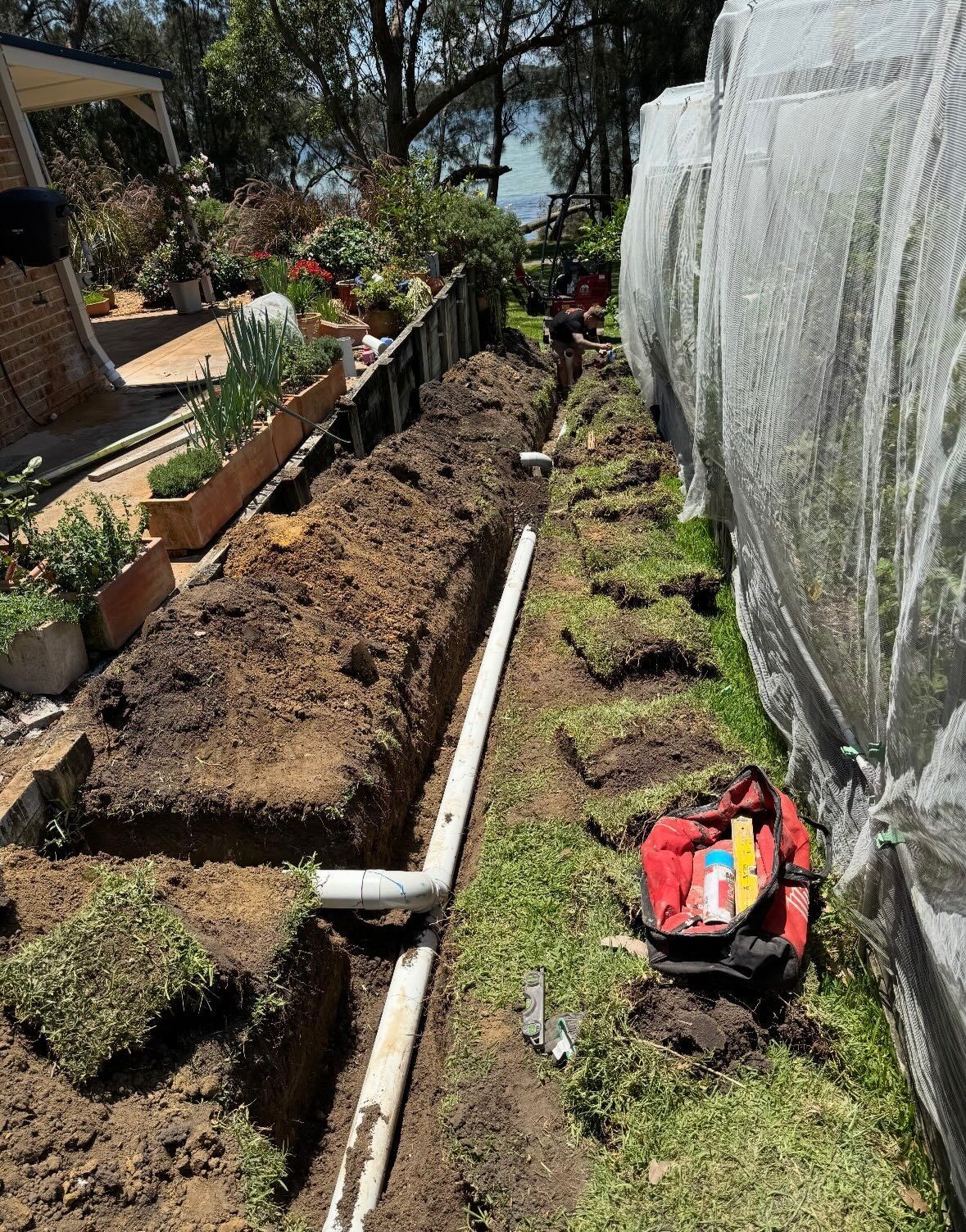
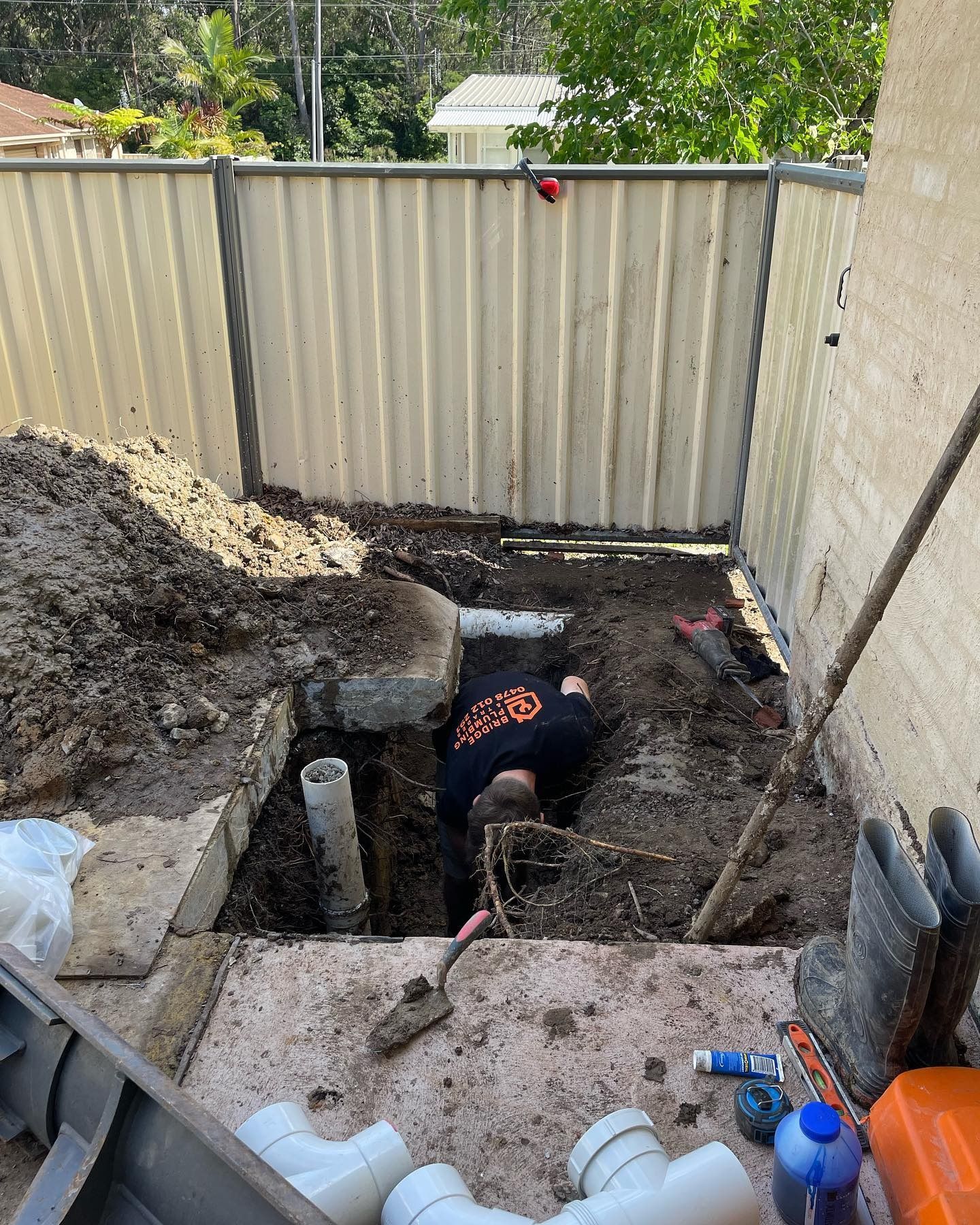
Traditional pipe replacement involves excavating the affected area, removing damaged pipework and installing a new section or drainage line. Although excavation is more disruptive, it allows plumbers to access and replace pipes that cannot be reliably repaired internally.
When Is Excavation Necessary?
Excavation may be required when:
- A pipe has completely collapsed
- Sections have shifted significantly out of alignment
- The drainage line has severe structural damage
- The existing pipe is unsuitable for relining
- The pipe layout or connections need substantial changes
The work may involve locating the damaged section, excavating to the required depth, replacing the pipe and restoring the surrounding area.
What Are the Drawbacks?
Excavation can disturb lawns, garden beds, paving, driveways or other structures above the drainage line. The extent of disruption depends on the pipe's depth, location and accessibility.
For example, replacing a short section beneath an open garden may be relatively straightforward. Replacing a buried line beneath extensive paving can involve considerably more work.
Bridge Plumbing & Trades offers excavation and full pipe replacement where relining isn't appropriate.
Comparing Cost, Disruption and Longevity
The best repair method depends on more than the initial plumbing quote. Cost, access, surface restoration and the condition of the existing drainage system all influence the decision.
| Factor | Pipe Relining | Full Pipe Replacement |
|---|---|---|
| Excavation | Generally avoids extensive digging | Requires excavation to access the pipe |
| Property disruption | Often less disturbance to surrounding surfaces | May affect gardens, paving or driveways |
| Suitability | Pipes with damage that can be repaired internally | Collapsed, severely displaced or extensively damaged pipes |
| Cost considerations | Access, pipe length, cleaning and repair complexity | Excavation, pipe length, depth and restoration |
| Long-term performance | Depends on pipe condition and repair suitability | Depends on installation, materials and site conditions |
Is Pipe Relining Cheaper Than Replacement?
Sometimes, but not always. Pipe relining cost depends on the length and location of the damaged section, accessibility and preparation required. If replacement would involve excavating beneath expensive landscaping or hard surfaces, relining may reduce associated restoration costs. However, a short, easily accessible pipe replacement could be more economical than a complex relining job.
Which Option Lasts Longer?
Both methods can provide a long-term solution when correctly selected and completed. The outcome depends on the original damage, the condition of the surrounding drainage system and the suitability of the chosen repair. A plumber should explain why the recommended method is appropriate rather than relying on a general claim that one option always lasts longer.
When Relining Is the Better Choice
Relining is often worth considering when the pipe remains structurally suitable but has localised cracks, leaks or damage. It can be particularly useful where excavation would cause substantial disruption.
Damaged Pipes Beneath Driveways or Landscaping
Imagine a sewer pipe running beneath a paved driveway. A camera inspection reveals cracking in a section that otherwise remains suitable for an internal repair.
In this example, relining may allow the plumber to repair the damage without excavating the full length of the driveway. That can reduce the amount of surface restoration required.
Tree Root Damage
Tree roots can enter drainage pipes through cracks or defective joints. High-pressure jetting and root removal may clear the obstruction, but clearing roots alone doesn't necessarily repair the opening that allowed them to enter. Where the pipe remains suitable, relining may help address the damaged section.
Repeated Blockages in the Same Location
Recurring blockages can indicate an underlying defect rather than a simple build-up of debris. If a camera inspection identifies a repairable crack or joint problem, relining may provide a more lasting solution than repeatedly clearing the drain.
When Full Replacement Makes More Sense
Relining cannot restore every drainage problem. Sometimes the most practical solution is to remove the damaged pipe and install new pipework.
Collapsed or Severely Damaged Pipes
A pipe that has collapsed may no longer have the shape or structural condition required for internal repair. Excavation allows the plumber to remove the failed section and install a replacement.
Major Pipe Misalignment
Significant movement or displacement between pipe sections can interfere with drainage. If the pipe alignment itself needs correction, replacement may be more appropriate than relining.
Extensive Deterioration
Where large sections of a drainage system have deteriorated, repairing isolated defects may not address the broader problem. A plumber may recommend replacing the affected run rather than carrying out multiple separate repairs.
The important distinction is that relining repairs suitable existing pipes, while replacement allows the damaged pipework itself to be removed. Neither method should be recommended without first identifying the actual problem.
Why a Camera Inspection Comes First
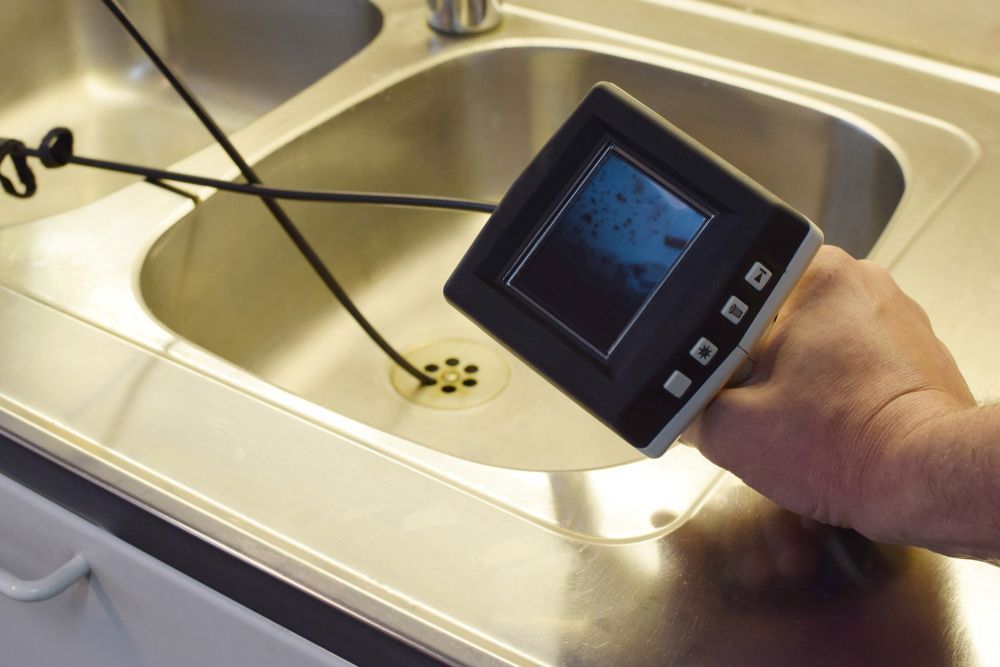
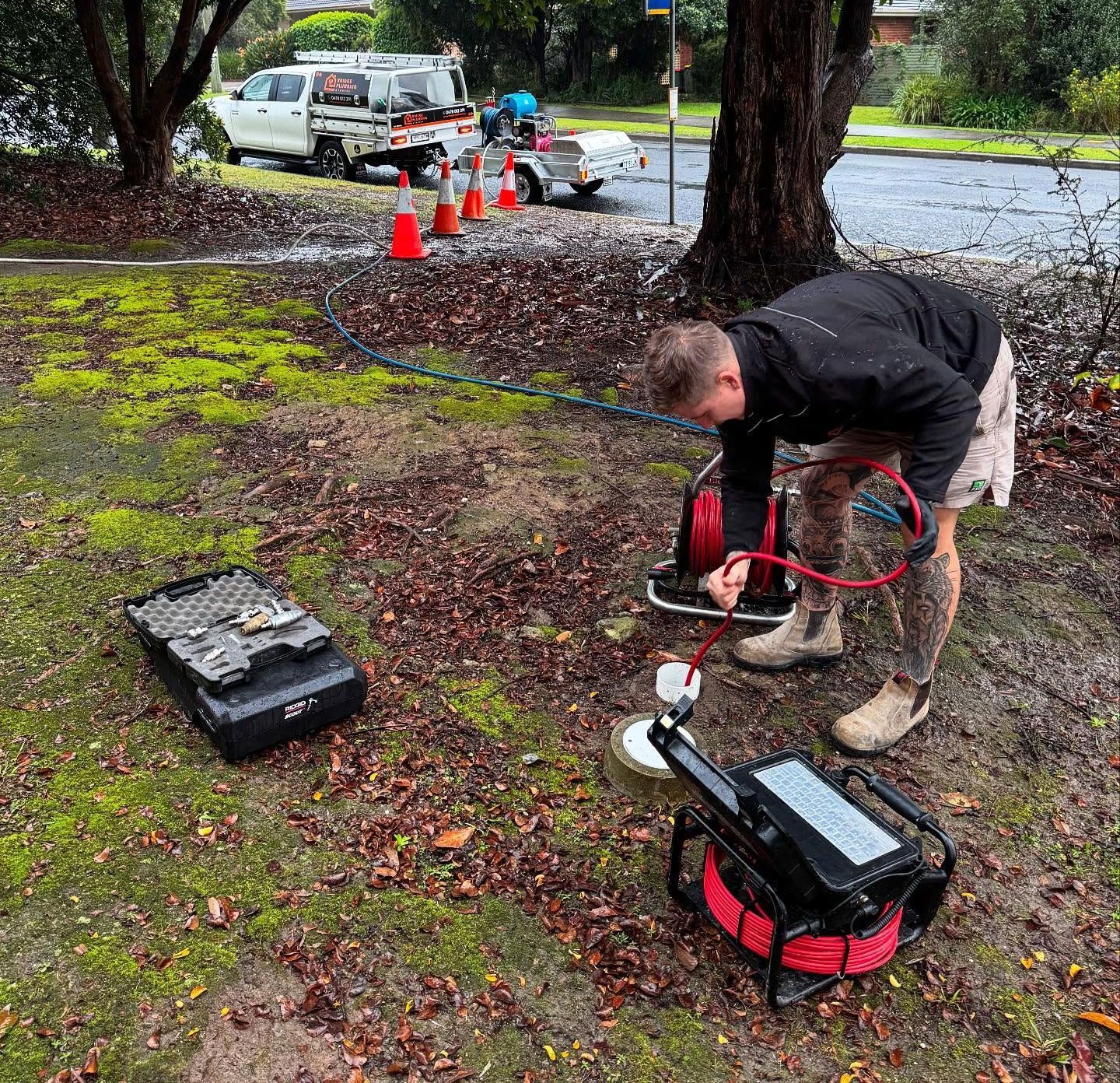
A CCTV drain camera inspection helps determine what's happening inside a sewer or stormwater pipe before repair work begins. Without this information, it can be difficult to distinguish a simple blockage from cracking, root intrusion, displacement or collapse.
What Can a Drain Camera Reveal?
A camera inspection can help identify:
- Cracks and damaged pipe sections
- Tree root intrusion
- Blockages and accumulated debris
- Displaced joints
- Collapsed or deformed sections
- The approximate location and extent of visible defects
These findings help the plumber decide whether cleaning, relining or excavation is appropriate. Bridge Plumbing & Trades uses CCTV drain camera inspections before undertaking repair work. For a closer explanation of the process, read its guide to a CCTV drain inspection.
Why Not Just Clear the Blockage?
Clearing a blockage restores flow, but it may not resolve the cause. For example, high-pressure jetting can remove roots and debris from a drain. If roots entered through a cracked section, they may return unless the underlying damage is addressed. A camera inspection helps determine whether further repair is necessary.
No-Dig Pipe Repair for South Coast Properties
Across Nowra and the Shoalhaven, sewer and stormwater pipes can run beneath lawns, driveways, paved entertaining areas and established gardens. The location of the damaged pipe can influence which repair approach is most practical.
Why Does Pipe Access Matter?
A pipe beneath an open garden bed may be easier to excavate than one beneath a concrete driveway. Similarly, a deep drainage line or one running close to structures may require more planning. Trenchless pipe repair can reduce unnecessary excavation where the pipe is suitable, but access points and site conditions still need assessment.
What Should You Ask Before Approving a Repair?
Before proceeding, ask your plumber:
- What damage did the camera inspection identify?
- Is the pipe structurally suitable for relining?
- Would excavation provide a better outcome?
- What areas of the property will be disturbed?
- Does the quote include preparation and any necessary restoration?
- What follow-up checks will be completed?
A clear explanation should help you understand why one repair method is recommended over another. Bridge Plumbing & Trades provides residential and commercial sewer and stormwater repairs, including relining and full pipe replacement. Our licensed plumbers also offer high-pressure jetting, tree root removal and drain camera inspections through our comprehensive plumbing services in Nowra.
The key takeaway: Relining can be an effective way to repair suitable damaged pipes while avoiding unnecessary digging. However, collapsed, badly displaced or extensively deteriorated drainage lines may require full replacement. A camera inspection is the starting point for making that decision.
If you're dealing with a recurring blockage, cracked drain or suspected pipe damage, Bridge Plumbing & Trades can assess the problem and explain your options. The team offers free quotes and 24/7 availability for plumbing and drainage services across Nowra and the South Coast.
If a
blocked drain in Nowra won't go away,
contact Bridge Plumbing & Trades to arrange an assessment before committing to major repair work.
Frequently Asked Questions