Rainwater Tank Installation: What You Need to Know
Rainwater tank installation helps South Coast homeowners reduce mains water consumption, lower water bills and make better use of rainfall. Costs depend on tank size, site preparation and plumbing requirements. For homeowners in Nowra and the Shoalhaven, choosing the right rainwater harvesting system means balancing installation costs, water savings and long-term maintenance.
How Much Does Rainwater Tank Installation Cost?
Rainwater tank installation cost varies depending on tank capacity, materials, site accessibility and plumbing connections. A basic garden watering system generally costs less than one supplying toilets and laundry.
As an indicative Australian pricing guide, common expenses include:
| Component | Estimated Cost |
|---|---|
| 2,000L polyethylene tank | $650–$800 |
| Base preparation | $200–$500 |
| Pump installation | $300–$500 |
| Plumbing connections | $500–$1,650 |
These estimates exclude potential excavation, electrical work and additional drainage requirements. Actual costs depend on your property. For example, installing a 3,000L tank for garden watering in Nowra may require only downpipe connections, a stable base and overflow drainage. Connecting that tank to household fixtures adds pumps, pipework and backflow protection. A licensed plumber can assess your property and provide an accurate quote before installation.
Choosing the Right Tank Size for Your Property
Choosing the right tank size depends on your roof area, household water consumption and available outdoor space. For many suburban homes, tanks between 2,000L and 5,000L provide useful storage for gardening and selected household uses. Larger properties may benefit from 10,000L tanks or greater capacities.
How Much Rainwater Can Your Roof Collect?
You can estimate potential collection using this calculation:
Roof area (m²) × rainfall (mm) = potential litres collected.
For example, a 100m² roof receiving 20mm of rain could theoretically collect 2,000 litres. Actual collection will be lower due to gutter losses, first-flush diversion and other factors. Tank shape also matters. Slimline tanks suit narrow side passages, while round tanks generally work well in larger backyards. Before purchasing a rainwater tank in Nowra, consider future household requirements. A tank initially used for gardening may eventually supply toilets or laundry.
How a Rainwater Harvesting System Connects to Your Plumbing
A rainwater harvesting system collects roof runoff, filters debris and stores water for household use. When connected to internal fixtures, a pressure pump distributes the stored water through dedicated plumbing.
Common uses include:
- Garden irrigation: Watering lawns, gardens and vegetable patches.
- Toilet flushing: Reducing treated mains water consumption.
- Laundry: Supplying compatible washing machines.
- Outdoor cleaning: Washing vehicles and outdoor surfaces.
What Happens When the Tank Runs Empty?
Homes connected to town water can use an appropriate automatic mains water changeover system to maintain supply when tank levels drop. These systems require compliant backflow protection to prevent rainwater entering the drinking water network. A licensed plumber should install and test these connections according to applicable plumbing standards and water authority requirements. Homeowners seeking professional
plumbing services in Nowra can contact Bridge Plumbing & Trades to discuss suitable rainwater plumbing arrangements.
Do You Need Council Approval for a Rainwater Tank in NSW?
Many rainwater tanks qualify as exempt development under NSW planning legislation, meaning homeowners may not need development approval if their installation meets specific conditions.
According to NSW Government planning guidance, relevant requirements can include:
- Maximum tank capacities based on property zoning.
- Placement behind the building line.
- Boundary setbacks for taller tanks.
- Appropriate overflow drainage.
- Mosquito-proof screens and suitable first-flush systems.
In many residential zones, above-ground tanks up to 10,000L may qualify as exempt development, provided they meet all applicable standards. However, heritage restrictions, environmentally sensitive land and property-specific conditions may affect eligibility. Homeowners researching rainwater tank council approval NSW should confirm requirements before purchasing equipment.
Does BASIX Apply to Rainwater Tanks?
BASIX establishes sustainability requirements for applicable NSW residential developments. For new homes, BASIX commitments may specify tank capacity, roof catchment and connections to toilets, laundry or outdoor taps. When planning
renovations and new builds, discussing these requirements early helps ensure the plumbing design meets relevant commitments.
What the Installation Process Involves
Understanding how to install a rainwater tank helps homeowners prepare their property and avoid unnecessary complications. A typical professional installation involves five stages:
1. Site Assessment
Your plumber examines roof catchment, downpipes, drainage, tank placement and intended water use.
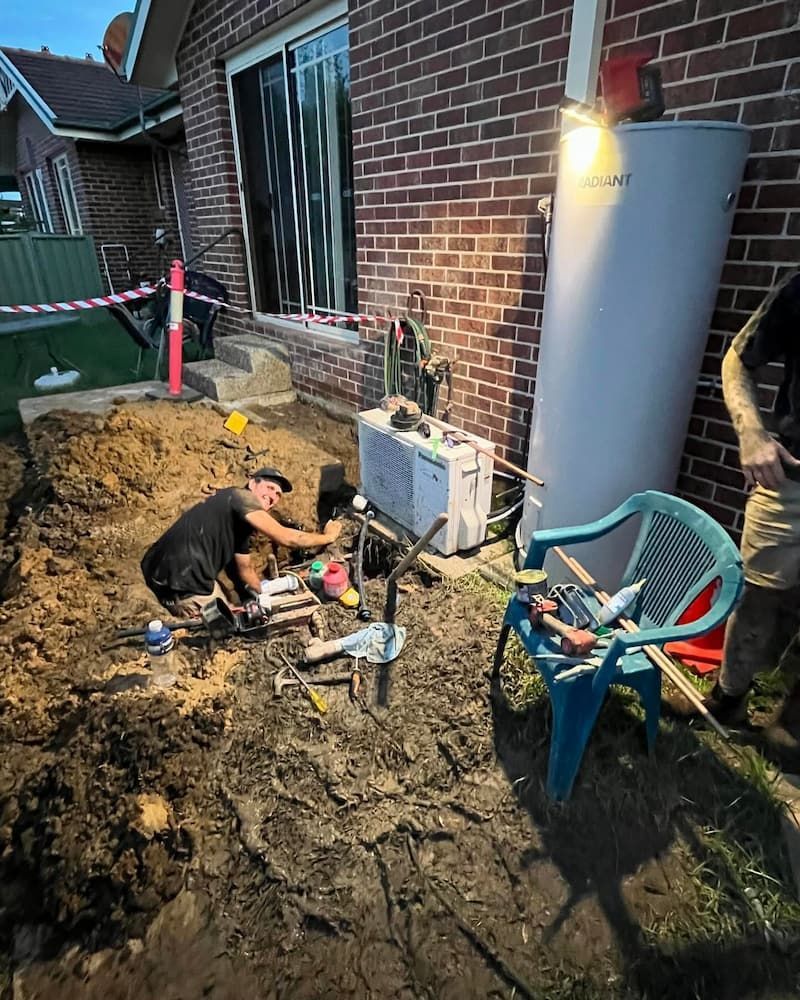
2. Foundation Preparation
The tank requires a stable, level foundation. A full 5,000L tank holds approximately five tonnes of water, making adequate structural support essential.
3. Tank Positioning
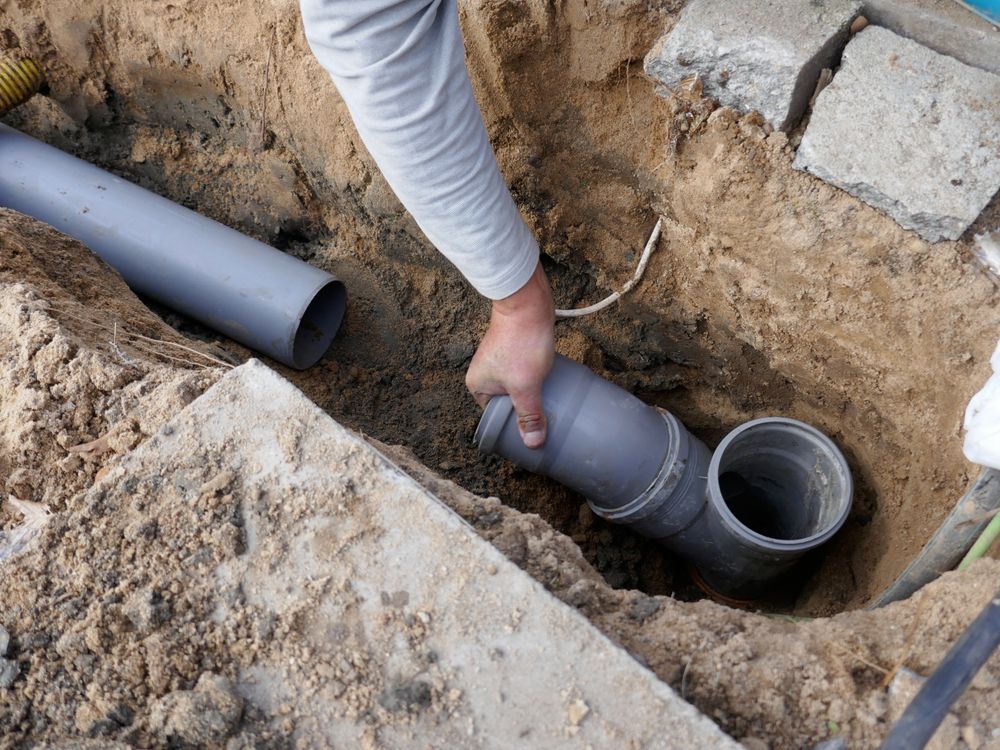
The installer positions the tank and connects roof drainage, inlet screens and first-flush components.
4. Plumbing Connections
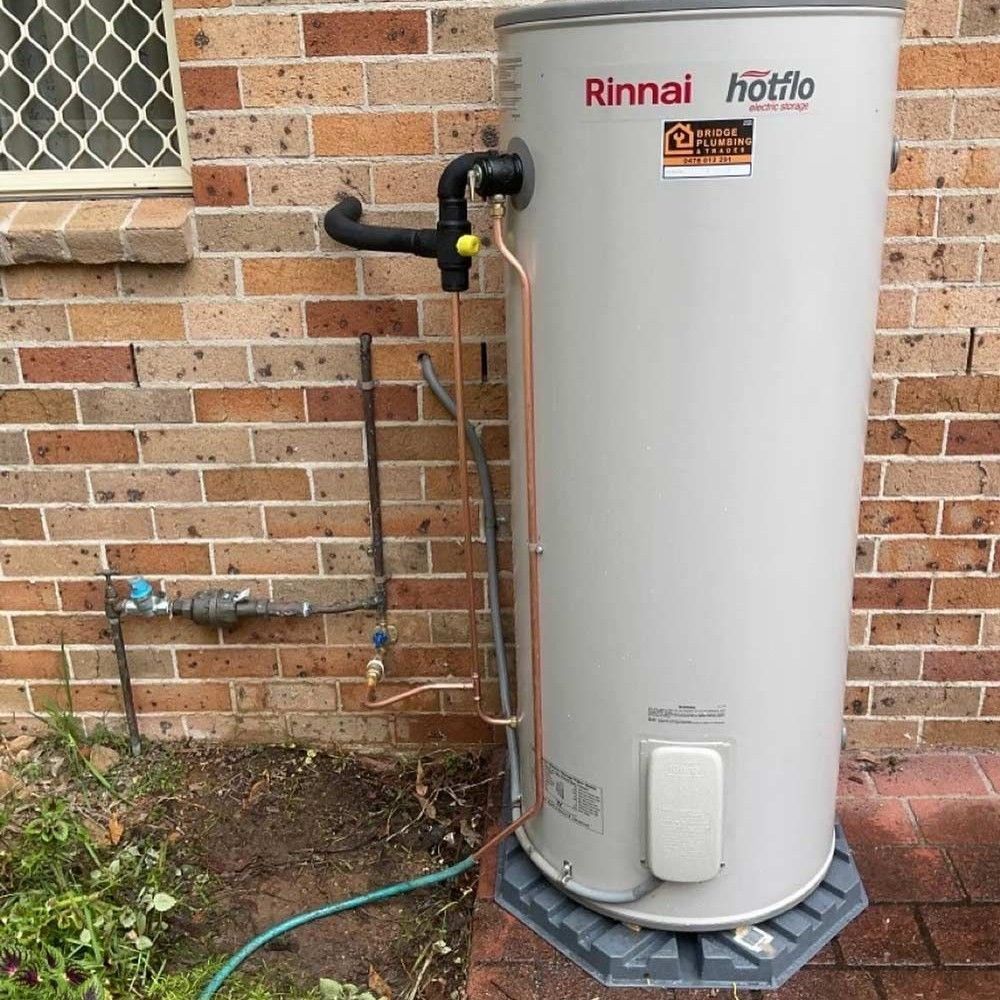
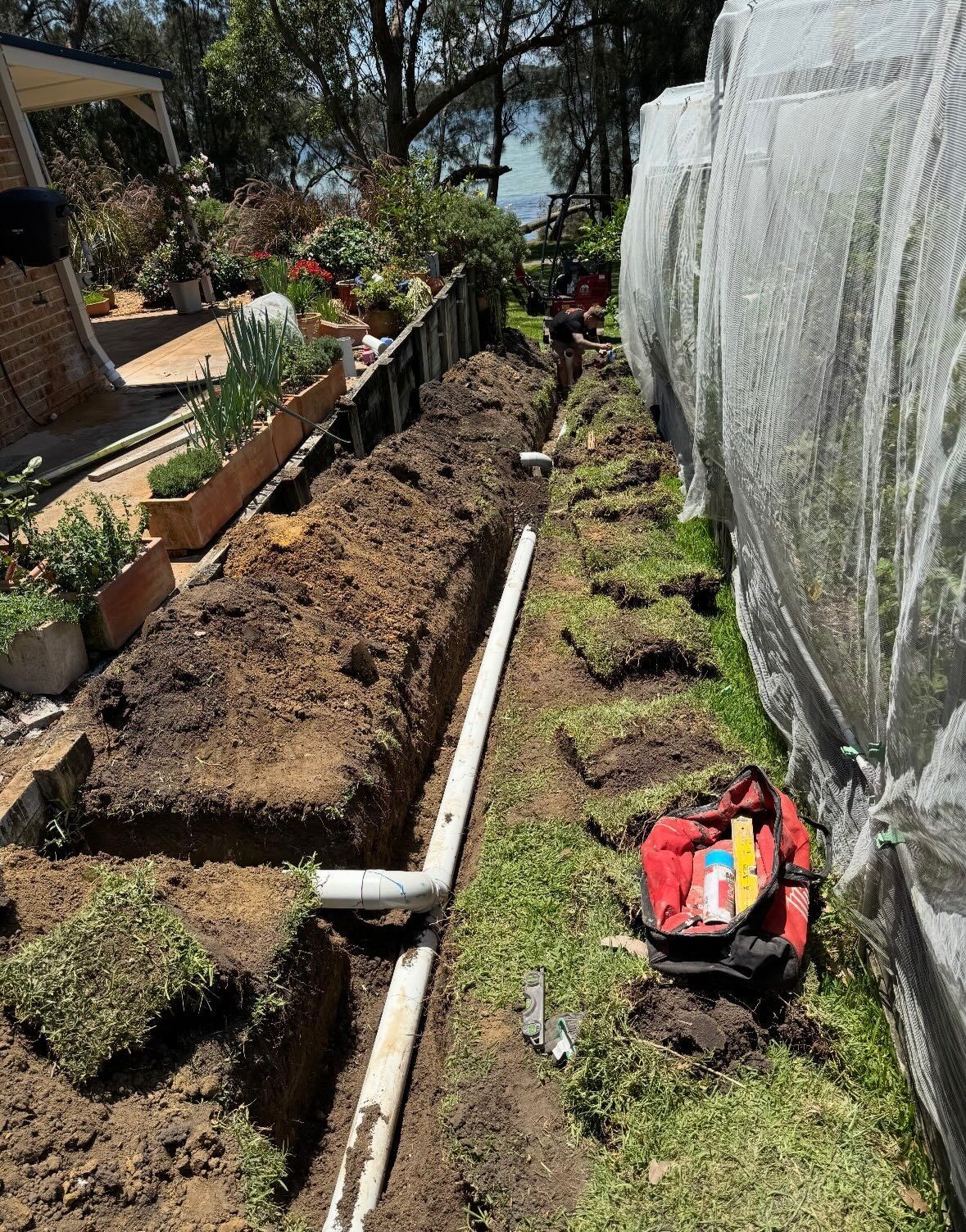
Where required, a licensed plumber installs pumps, dedicated pipework and compliant mains water backup arrangements.
5. Overflow and Testing
The installer connects overflow drainage and checks pump operation, water pressure and plumbing connections.
Correct stormwater management also prevents pooling and drainage problems. For related advice, read
how Bridge Trades restores flow fast.
Long-Term Water Savings and Maintenance
A properly designed rainwater system can reduce household mains water consumption, particularly when connected to frequently used fixtures. However, savings depend on rainfall, storage capacity, water usage and ongoing operating costs. For example, a tank connected only to garden irrigation may remain full during wet periods. Connecting suitable toilets or laundry fixtures creates more consistent demand and allows the tank to capture additional rainfall.
How Do You Maintain a Rainwater Tank?
According to industry best practice, homeowners should:
- Clean gutters and inlet screens regularly.
- Inspect first-flush diverters.
- Check tank lids and mosquito-proof seals.
- Monitor pump pressure and performance.
- Keep overflow outlets clear.
- Arrange professional servicing when necessary.
R
egular maintenance protects water quality, reduces equipment problems and helps extend system lifespan.
Why Choose Bridge Plumbing & Trades for Rainwater Tank Installation in Nowra?
Installing a rainwater tank involves more than connecting a storage container to your downpipes. The system must suit your property's layout, water requirements and existing plumbing infrastructure. Bridge Plumbing & Trades provides local plumbing services for homeowners seeking practical solutions across Nowra and surrounding areas. Working with experienced plumbers in Nowra helps homeowners assess plumbing connections, drainage requirements and installation considerations before committing to a system. Homeowners throughout the wider region can also explore services from a local plumber Shoalhaven.
The key takeaway: Choose a rainwater tank based on your household's water demand, roof catchment, available space and plumbing requirements rather than capacity alone. Ready to explore rainwater tank installation? Contact Bridge Plumbing & Trades to discuss your property, installation requirements and available plumbing solutions.
Request a quote today and take the next step towards more sustainable household water use.
Frequently Asked Questions